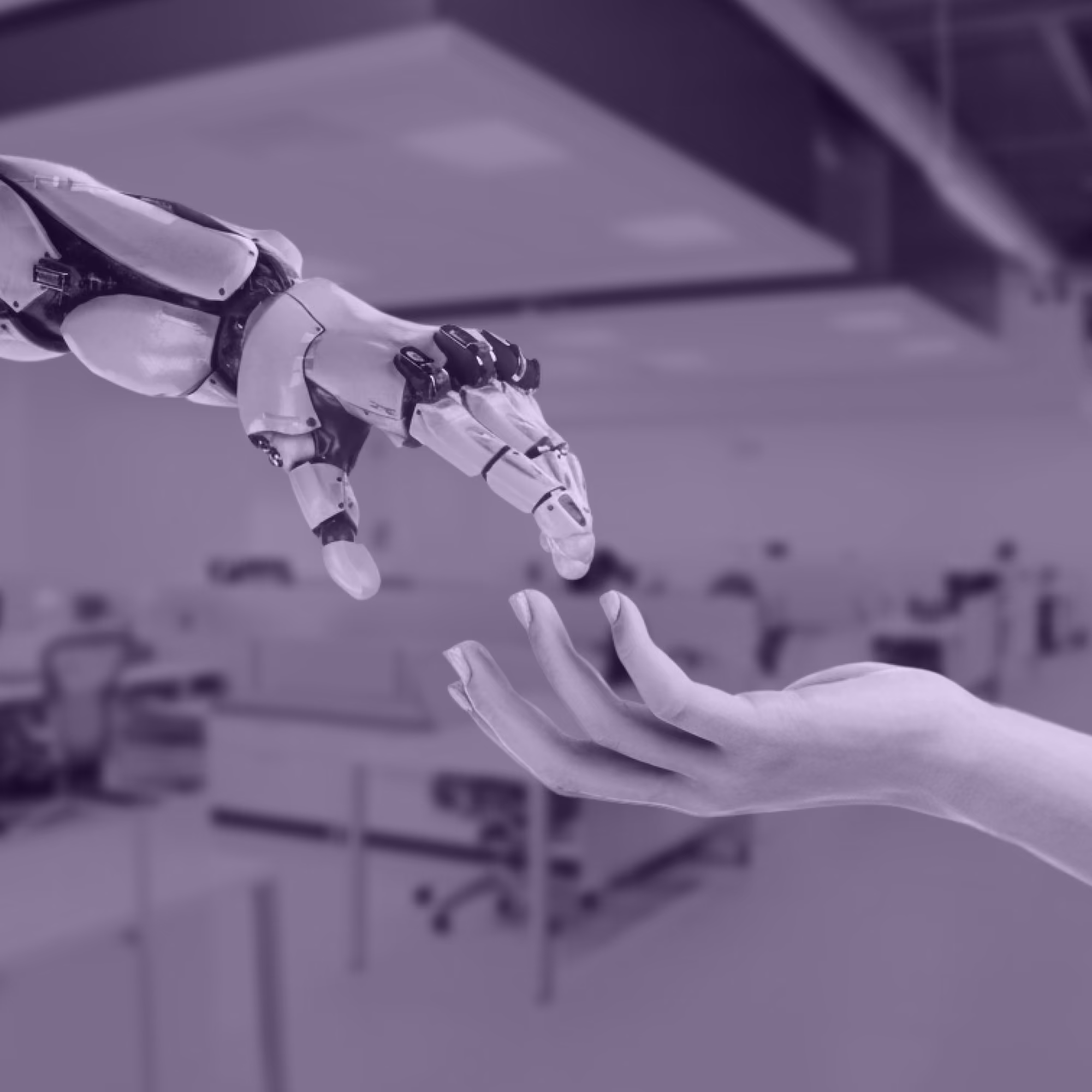
From command-line interfaces to graphical ones, and now to artificial intelligence, the goal has always been to make the interaction between humans and machines more fluid, faster, and invisible. However, as we reach the peak of automation, we run into a psychological and strategic paradox: the more invisible and autonomous a system becomes, the less the user understands its logic. And where there is no understanding, trust fades.
In the context of Web Summit Rio 2026, this discussion takes on unprecedented urgency. Mauricio "Mao" Barros, Co-founder and CCO of Deeploy, offers a deep reflection on how we are redesigning the user experience (UX) in workflows where machines don't just assist, but make critical decisions. The challenge ahead is no longer just technical; it is human.
The psychology behind automation and the trust factor
To understand why trust is the central pillar of contemporary UX, we need to look at behavioral psychology. Humans have a mental model of control. When we use a simple tool, a hammer or an Excel spreadsheet, we have a clear perception of cause and effect. We act, the tool reacts. Trust is placed in the durability and precision of the object.
With Artificial Intelligence, the nature of this relationship changes drastically. AI acts as an agent, not just as an instrument. It processes variables that often escape human perception and delivers a final result. When that result is positive, the user feels efficiency. But the moment the AI produces a hallucination or an unexpected decision, the "trust contract" is severely broken.
Trust takes time to build, but milliseconds to destroy through opaque automation. That is why modern design needs to move from aesthetics to explainability. It isn't enough to deliver the right answer; you have to design the logical trail that led to that answer.
The end of click-based design: the rise of intent interfaces
For decades, the UX designer's job was to arrange elements on a screen so users could navigate. Menus, buttons, and search fields were the maps of that journey. Now, we are entering the era of "Intent Interfaces." In them, users don't click ten buttons to generate a report; they simply express a desire, and the AI runs the process end to end.
This end-to-end automation creates what we call the "Zero UI Experience". Although it looks like the ideal productivity scenario, it creates an engagement vacuum. If users don't take part in the process, they lose their connection to the value being generated. For tech companies, this represents a risk of commoditization. If users can't see the "effort" or the intelligence behind the service, the software becomes disposable.
Redesigning UX in an AI-driven world requires us to find the balance between total automation and human agency. This is what Mauricio Barros advocates as the shift of the user from "operator" to "curator." The system does the work, but the human validates, adjusts, and, above all, trusts what is being produced.
The "black box" and the strategic risks for business
When we talk about automation in sectors like fintech, healthtech, or logistics, the risks of automation without transparency escalate from mere frustrations to financial and ethical damage. Imagine a credit analysis algorithm that denies a loan without offering a clear justification. Or a logistics system that changes a critical route without telling the operator why.
These systems are often called "black boxes" because of the opaque nature of neural networks. For Google and other search engines, the authority of content today also depends on ethics and safety (E-E-A-T). Likewise, for the end user, the authority of software depends on its ability to be auditable.
If your tech company focuses only on powerful algorithms but ignores the trust interface, you are building on quicksand. Algorithmic transparency should be treated as a core feature of the product, not as a footnote in the technical documentation.
Practical strategies: how to design for trust
To put these concepts into practice, Mauricio Barros and Deeploy suggest an approach based on three fundamental pillars that will be covered in detail at Web Summit Rio:
1. Positive friction: why can "too fast" be bad?
Sometimes automation is so fast that users doubt its quality. Introducing moments of deliberate pause, where the system explains what it is analyzing ("Analyzing 4,000 market variables...", "Validating security history..."), increases the perception of value and safety.
2. The illusion of control and real agency
Design should let users feel they hold the reins. Even if the AI does 99% of the work, the final 1%, the "approve" click or the ability to edit a parameter, is what anchors human trust in the system.
3. Contextual (just-in-time) explainability
Don't overwhelm users with technical data all the time. Explainability should appear at the moment of doubt. If the AI suggests something out of the ordinary, the interface should proactively offer a "Why did I get this suggestion?" button.
An invitation to the next step at Web Summit Rio
The journey to balance automation and trust is only just beginning. As Generative AI and autonomous agents become ubiquitous, companies' competitive edge won't come from who automates the most, but from who keeps users safer and more engaged in the process.
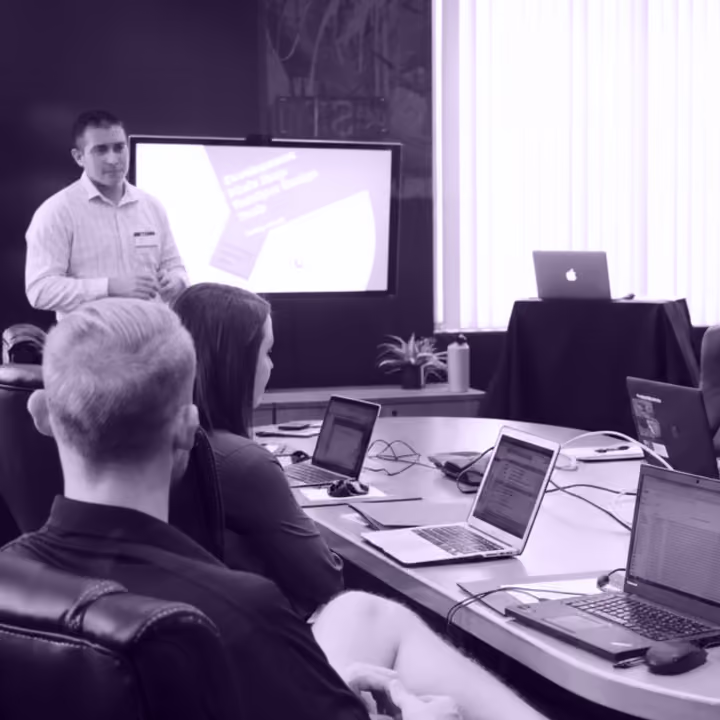
This is the debate Mauricio "Mao" Barros will bring to Stage 6 at Web Summit Rio, on June 11 at 2:25 PM. The talk "Automation vs. Trust: Rethinking UX in an AI-driven world" promises to be a game changer for design and technology professionals who want to lead this new era with responsibility and strategic vision.
If you want to understand how your company can scale without losing the soul of the product, which is its relationship with people, this event is a must. See you in Rio, to redesign the boundaries of technology together.

Journalist with 8 years of experience in communication, now working as a UX Writer and author of Deeploy’s blog, I’m Victória Kiomy. Half Brazilian, half Japanese, I’m passionate about meaningful conversations, problem-solving content, and anything that brings people closer to simpler, more human experiences.